
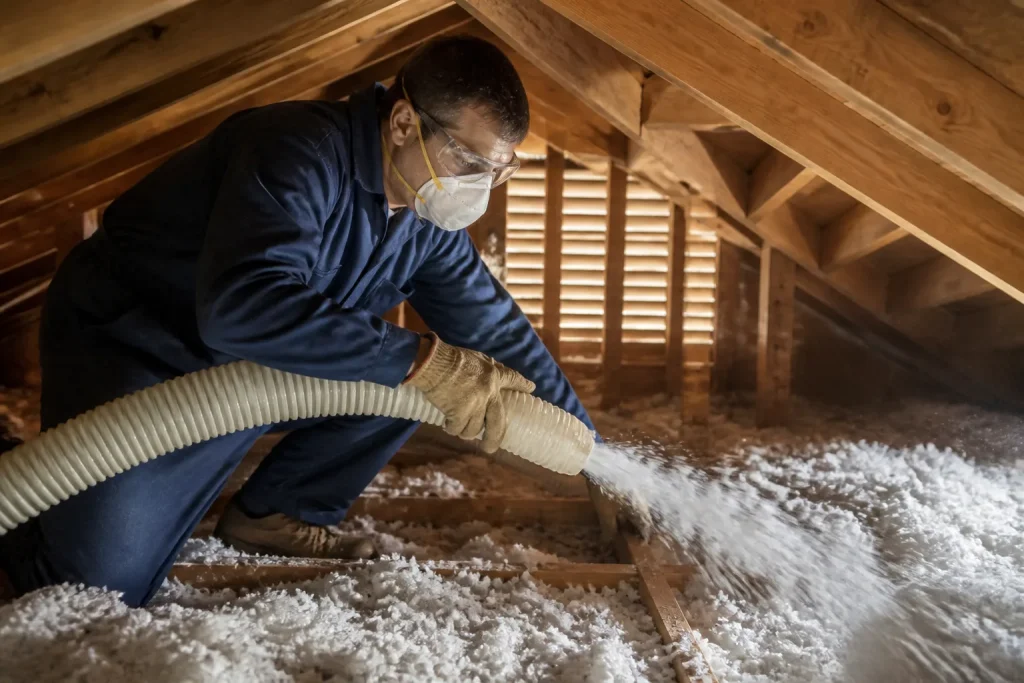
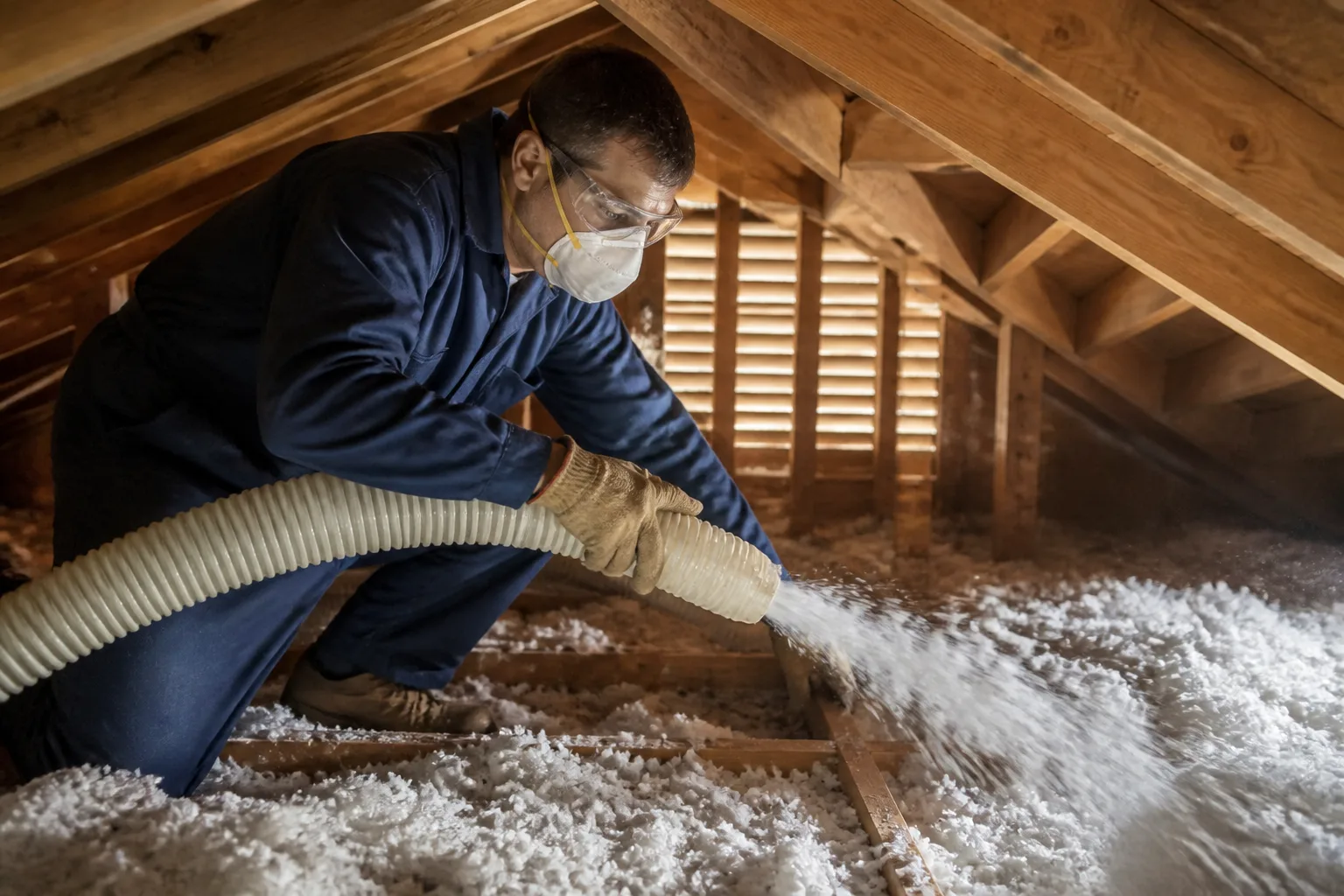
Emergency Attic Insulation Near Me: What San Joaquin Hills Homeowners Should Do First
If you’re searching “emergency attic insulation near me” in San Joaquin Hills, start by figuring out what actually caused the problem. Most attic insulation emergencies we see fall into four categories: water intrusion, rodent damage, HVAC failure, or a sudden energy bill spike. The fix usually isn’t “replace all the insulation today.” It’s stopping the source first, documenting what’s there, and only then deciding what needs new material. If you’d rather skip the detective work, call us at (855) 795-2118 and we’ll walk you through it.
We pulled a dozen wet fiberglass batts out of an attic off Newport Coast Drive last spring where the homeowner had already booked a full replacement quote from another company. The real problem? A cracked vent boot that was letting rainwater drip directly onto the insulation above the master bedroom. Six hundred dollars of roof repair, two days of drying, and most of that insulation went right back in. The replacement quote was $4,200. That’s the difference triage makes.
Here’s what we tell San Joaquin Hills homeowners to do, in order, before anyone touches your attic.
Step 1: Identify Which Emergency You Actually Have
Attic insulation problems disguise themselves as emergencies all the time. But the right first call depends entirely on the cause. Here’s the triage checklist we use when a homeowner calls us panicked:
Water Intrusion: The Most Misdiagnosed Emergency
If you see water stains on the ceiling, damp insulation, or a musty smell after rain, your first call should be to a roofer or a moisture remediation specialist, not an insulation company. New insulation installed over wet sheathing or framing traps moisture inside the attic cavity. That moisture feeds mold growth within weeks. We refuse to install over active moisture because we’d be creating a bigger problem than we solved.
One common misconception in San Joaquin Hills is that our coastal fog naturally dampens attics. It can raise ambient humidity, yes, but actual liquid water in your insulation means a penetration somewhere: a roof leak, a disconnected bath fan vent, a failed can light gasket. Find the water source first, dry the space properly, and then call us to assess what’s salvageable.
Rodent Infestation: The Health Issue Before the Insulation Issue
Rats and mice in San Joaquin Hills attics, especially near the open space edges of the hills, love tunneling through fiberglass batts. The droppings and urine soak into the material long before you notice the scratching sounds. If you’ve got rodent activity, call a pest control company first. They seal entry points, remove the animals, and treat the affected areas. Only after that is done should anyone assess the insulation.
Why? Because replacing insulation before sealing entry points just gives the next family of rats a fresh bed to nest in. We’ve seen it happen. A homeowner spends $3,000 on new blown-in insulation, and six months later the same rodent activity is back because the gap where the attic vent meets the fascia was never sealed. The sequence matters more than the material.
HVAC Failure Causing Extreme Attic Temperatures
This one catches San Joaquin Hills homeowners off guard in the summer. The attic hits 140 degrees, the air handler up there struggles, and someone says “you need better insulation.” Maybe. But first, call an HVAC technician to check whether the system itself is working correctly. A failing compressor or a duct leak at a seam can mimic poor insulation performance. Adding insulation over a dying HVAC system masks the symptom and delays the real repair.
We work alongside HVAC techs regularly. The best outcomes happen when they fix what’s broken and we address the thermal envelope afterward, based on actual measurements, not a guess.
Sudden Energy Bill Spike: Slow It Down, Gather Data
A 30% jump in your electric bill in July doesn’t automatically mean your attic insulation failed. It could mean a rate change, a malfunctioning thermostat, a refrigerator that’s running hot, or a dozen other things. Pull 12 months of bills. Check your thermostat settings. Then, if you suspect the attic, look for shifted batts, compressed areas, or visible gaps along exterior walls. Insulation doesn’t just “go bad” suddenly. Something has to change: water, animals, wind, or construction.
Call an insulation specialist like Welcome Insulation home when you’ve ruled out the mechanical causes and want an honest read on what’s actually happening in your attic. We’d rather talk you out of unnecessary work than into it.
Step 2: Document Everything Before Anyone Touches Anything
Whether you’re filing an insurance claim or just getting a second opinion, photos and notes are your best leverage. Here’s the documentation process we recommend to every San Joaquin Hills homeowner before we arrive:
- Photograph the insulation from multiple angles, including close-ups of any wet, compressed, or damaged areas. Use your phone’s flash; attics are dark and blurry photos don’t help anyone.
- Photograph the roof decking and framing above the insulation, especially around vents, chimneys, and exhaust fans. Water stains on wood tell a story the insulation can’t.
- Note the insulation type (batts, loose-fill, spray foam) and approximate depth or thickness in inches. This helps us estimate existing R-value before we even climb up.
- Record dates. When did you first notice the problem? When did the rain happen? When did the smell start? Sequencing helps diagnose cause.
- Save utility bills for the last 12 months if you’re chasing an energy issue. We can often spot seasonal patterns that point to specific problems.
Good documentation also prevents scope creep. If a contractor’s assessment doesn’t match what your photos show, that’s a red flag. One San Joaquin Hills homeowner sent us photos of clean, dry blown-in insulation with one small damp corner near a bath fan. Two other companies had quoted full attic replacement. We fixed the vent connection and replaced about 15 square feet of affected material. The rest stayed. Documentation saved her roughly $3,500.
Step 3: Know What “Emergency” Service Can Realistically Deliver
If water is actively pouring into your attic through a failed roof, that’s an emergency, but it’s not an insulation emergency. Insulation can wait a few days while the roof gets patched and the space dries. Same-week response is almost always sufficient for insulation work. Same-day response is rarely necessary, and any contractor pushing “sign today or it gets worse” is using urgency to skip proper assessment.
Here’s what realistic timelines look like in San Joaquin Hills:
- Emergency consult and assessment: next business day or within 48 hours, depending on call volume.
- Small targeted repairs (replacing one bay of wet batts, topping off a low spot in blown-in coverage): same week.
- Full attic insulation replacement: one to two weeks, mostly because proper moisture checks and prep work take time.
- Spray foam application: one to three weeks depending on weather and project size. Foam has temperature and humidity requirements for proper curing.
If a contractor claims they can do a full attic replacement the same day you call, be skeptical. Proper work in a coastal climate like San Joaquin Hills requires checking ambient humidity, verifying the existing vapor barrier situation, and making sure the attic is actually dry. Skipping these steps leads to trapped moisture and mold, and you won’t discover it for months.
Interim Measures That Are Actually Safe (And Two That Aren’t)
While you wait for a professional assessment, there are a few things you can safely do to reduce temperature and moisture stress on your home. And a couple of things we’d strongly prefer you didn’t.
Safe Interim Steps
- Seal the attic access hatch with weatherstripping or even a temporary removable panel. A surprising amount of conditioned air escapes through unsealed attic hatches in San Joaquin Hills homes.
- Run a dehumidifier in the living space below the attic if you’re dealing with excess attic humidity. It won’t fix the attic, but it protects your drywall and paint from moisture absorption while you wait.
- Add temporary window coverings on south and west-facing windows to reduce heat gain in the living space below. Cheap cellular shades or even curtains make a measurable difference.
- Check your attic vents from the outside with binoculars. Make sure none are visibly blocked by leaves, bird nests, or debris. In the hills, canyon winds push debris into eave vents regularly.
Steps to Avoid
- Don’t move or “fluff” wet insulation by hand. Compressed insulation loses R-value, and wet material can harbor bacteria. Let a professional assess it with proper protective gear.
- Don’t install box-store batt insulation over existing problematic material. Layering new insulation over wet or rodent-damaged material traps problems underneath. You’ll pay twice to have it removed and done right later.
- Don’t seal all attic ventilation openings “to keep the cold out.” Attics need airflow. Sealing vents turns your attic into a moisture trap, especially with San Joaquin Hills’s marine air.
And one more thing: if you’ve got a high-pitched or steep roof in the hillside neighborhoods, don’t go climbing around up there yourself for inspection. Use a ladder on a stable surface, or call someone who’s insured to do it. A fall from attic rafters is not worth the cost of a service call.
How We Approach an Attic Insulation Assessment in San Joaquin Hills
When you call us, here’s what actually happens. We don’t arrive with a truck full of material and a contract. We arrive with a moisture meter, a thermal camera, and a tape measure. Our first job is understanding what’s currently in your attic, what condition it’s in, and what problem you’re trying to solve.
San Joaquin Hills homes run the gamut: mid-century ranch houses with shallow attic bays, newer custom builds with complex truss geometry, and everything in between. The right insulation for a 1960s hillside home with a low-slope roof is different from what a 2015 build with conditioned attic space needs. That’s why we stock and install products from multiple manufacturers rather than pushing one brand onto every job.
For a cool, damp corner where condensation keeps forming, closed-cell spray foam from Demilec often makes sense because it acts as both an air barrier and a vapor retarder. For an open attic where the homeowner wants high recycled content and good coverage at a moderate cost, GreenFiber cellulose blown in at the right density performs beautifully. For a straightforward batten-and-batt replacement job, Owens Corning fiberglass batts remain a smart, cost-effective choice with well-documented R-value performance.
The point is the material follows the job. We don’t invent a reason to use spray foam where fiberglass works fine, and we don’t recommend batts where a dense-pack application is clearly better. Insulation is all we do. That focus means we’ve seen enough San Joaquin Hills attics to know what works in this specific climate, with its salt air, morning marine layer, and hot afternoon sun.
When to Call a Pro (and When You Don’t Need to)
If any of these apply, call us at (855) 795-2118 sooner rather than later:
- You see visible water staining or damp insulation and you’ve already confirmed the roof or vent issue is fixed.
- You’ve had a pest control company confirm rodent activity and the droppings or nesting material are extensive.
- Your energy bills have climbed steadily over 12-18 months and you can see obvious gaps, compression, or shifts in your attic insulation.
- You’re doing a remodel or HVAC replacement and the attic is open anyway, which is the most cost-effective time to upgrade insulation.
- You want a straight answer about whether your current insulation is adequate for San Joaquin Hills conditions and what it would cost to improve it.
If you’ve got a single damp corner tied to a bath fan vent that’s already been repaired, and the rest of the attic looks clean and dry, you probably don’t need emergency anything. You need a small repair and some peace of mind. We’ll tell you that over the phone before we ever schedule a visit. We’d rather earn your trust with an honest answer than invoice you for a problem you don’t have.
Related services in San Joaquin Hills if you’re already thinking ahead: Attic Insulation in San Joaquin Hills, Spray Foam Insulation in San Joaquin Hills, and Blown In Insulation in San Joaquin Hills.
The Bottom Line
Most attic insulation emergencies in San Joaquin Hills are actually roofing, pest, or HVAC emergencies that secondarily affect your insulation. The correct sequence is: identify the real source, stop it, dry or treat the space, document everything, and only then assess whether insulation needs replacement or just a targeted repair. Rushing to replace everything routinely wastes thousands of dollars and doesn’t address the actual problem.
If you’re in San Joaquin Hills and need help figuring out what’s actually going on in your attic, Welcome Insulation offers free estimates. We’ll assess your current insulation honestly, tell you what needs to change and what doesn’t, and give you options across multiple materials and brands so you can choose what fits your home and budget. Call (855) 795-2118. If we tell you your insulation is fine, it’s because it is.
Frequently Asked Questions
Full attic insulation replacement in San Joaquin Hills typically runs $1,800 to $5,500 depending on attic size, insulation type, and accessibility. Targeted repairs, like replacing one wet section or topping off low spots, usually cost $300 to $900. Call (855) 795-2118 for a free estimate and we’ll give you a specific number based on your attic’s actual measurements.
We can assess wet insulation within 24 to 48 hours in most San Joaquin Hills locations. Small same-week repairs are common. A full replacement following water damage typically takes one to two weeks because the attic must be dry before new material goes in. Installing over moisture traps mold and we won’t do it. Call (855) 795-2118 to schedule an assessment.
Repair is almost always cheaper when the damage is localized, which is why we recommend documenting your attic and getting an honest assessment before committing to full replacement. If only a small section got wet or chewed, replacing that section may cost a few hundred dollars versus several thousand for a full attic. Call (855) 795-2118 and we’ll help you determine what’s salvageable.
Look for water stains on the roof decking or rafters above the insulation, damp spots concentrated near vents, chimneys, or roof penetrations, or stains that appear only after rain. If you see these signs, call a roofer first, then call Welcome Insulation at (855) 795-2118 once the leak is fixed so we can assess what insulation needs replacing.
Written by the team at Welcome Insulation, serving San Joaquin Hills since 2013.
Need Insulation Help?
Call Welcome Insulation — licensed & insured, here with fast after-hours help in San Joaquin Hills.
(855) 795-2118